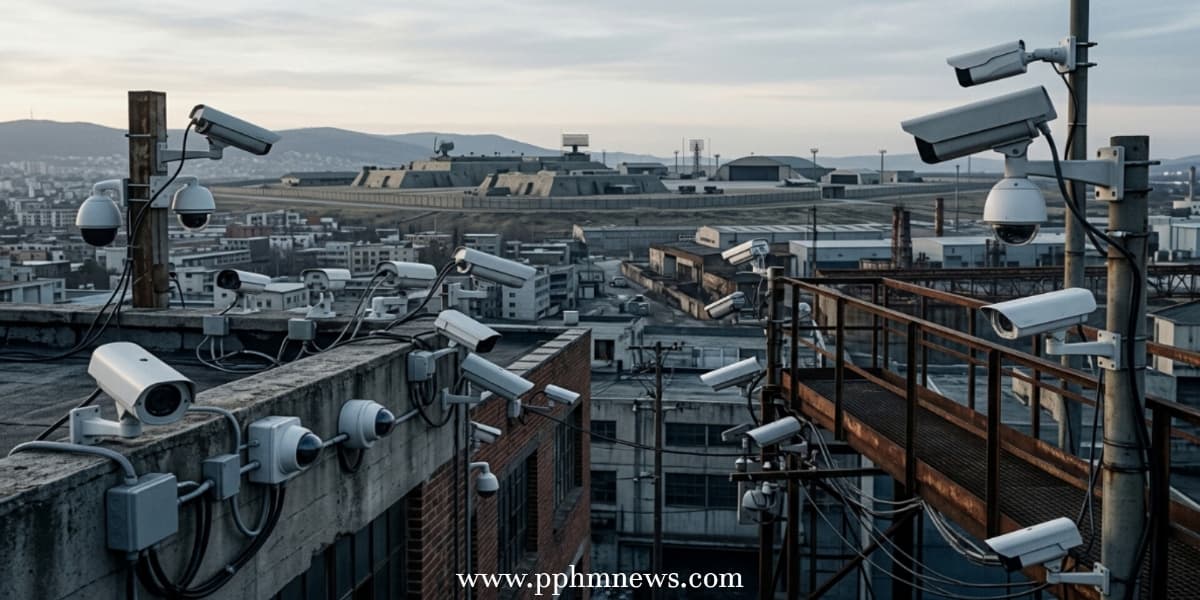
Compromised Surveillance Cameras Used to Track Military Movements Across Europe
Dutch intelligence agencies have warned that a state-sponsored espionage campaign is systematically compromising internet-connected IP cameras across Europe to monitor military logistics, weapons shipments, and defense activities linked to support for Ukraine.
In a joint advisory, the General Intelligence and Security Service (AIVD) and the Military Intelligence and Security Service (MIVD) said the operation targets surveillance cameras in the Netherlands, other EU and NATO member states, and Ukraine. The campaign has intensified since the start of the full-scale war in Ukraine and remains active.
Military Logistics Under Continuous Surveillance
According to the Dutch agencies, the attackers use compromised cameras to collect intelligence on military transport routes, weapons deliveries, and the movement of defense equipment destined for Ukraine.
The operation also employs image recognition technology to automatically identify military vehicles and cargo. In Ukraine, intelligence gathered through hacked cameras has reportedly been used to locate military personnel and support battlefield operations.
Cameras Along Key Transport Routes Were Breached
During the investigation, Dutch authorities confirmed that a number of surveillance cameras positioned directly along military logistics routes inside the Netherlands had been compromised.
The affected organizations have since been notified and instructed to strengthen their security. Officials stressed that, while the campaign gathers intelligence within NATO countries, they have not observed the collected information being used to conduct military attacks outside Ukraine.
Weak Security Made Devices Easy Targets
Investigators found that many of the compromised cameras were exposed to the internet with default passwords, outdated firmware, or factory-default configurations, making them relatively easy to infiltrate.
The intelligence services urged organizations operating internet-connected surveillance systems—particularly those located near strategic infrastructure or transportation corridors—to strengthen authentication, update firmware, and restrict remote access.
Espionage Campaign Extends Beyond One Country
Dutch officials emphasized that the surveillance effort is not limited to the Netherlands but forms part of a broader intelligence operation targeting multiple European countries and Ukraine.
The findings reinforce previous warnings that logistics networks supporting military assistance have become high-priority targets for foreign intelligence services seeking operational and strategic information.
Connected Devices Present Growing National Security Risks
The advisory highlights how poorly secured IoT devices can become valuable intelligence assets for sophisticated threat actors.
Security experts recommend replacing default credentials, enabling multi-factor authentication where available, applying firmware updates promptly, segmenting surveillance networks, and continuously monitoring internet-facing devices to reduce the risk of unauthorized access.