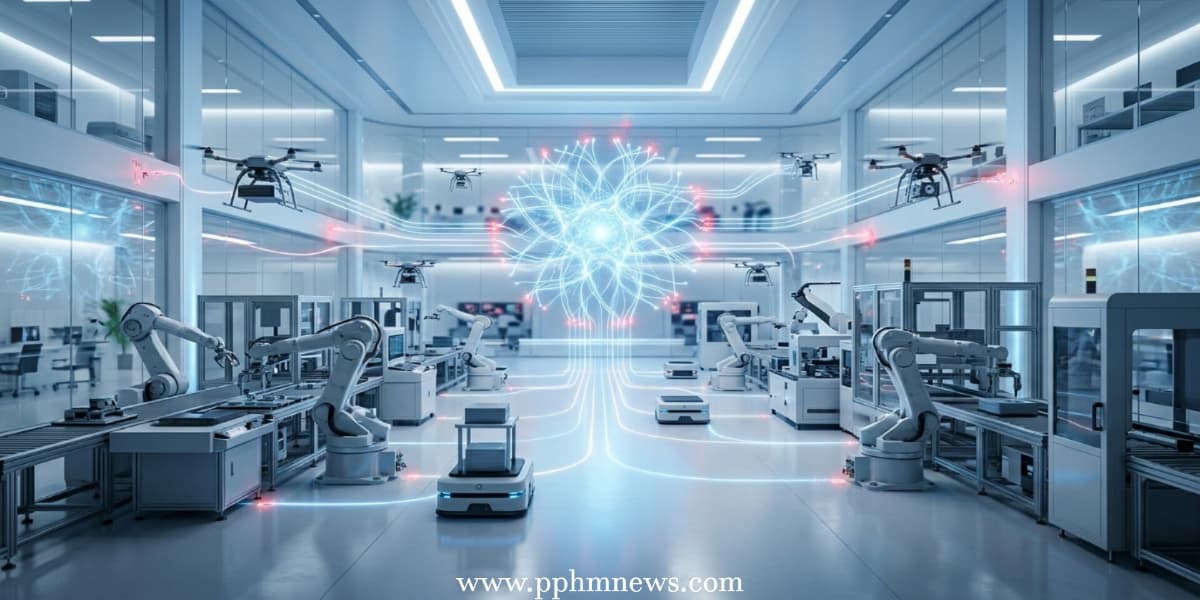
Global Cyber Agencies Warn of Risks in Deploying Autonomous AI Systems
Joint Guidance Targets Emerging Threats from AI Agents
Leading cybersecurity authorities—including Cybersecurity and Infrastructure Security Agency and National Security Agency, alongside partners from the Five Eyes alliance—have issued new guidance addressing the secure deployment of AI agents.
The advisory highlights growing concerns that autonomous AI systems are already being integrated into critical infrastructure and enterprise environments without sufficient safeguards. These systems, capable of making decisions and executing tasks independently, are increasingly viewed as a new category of cybersecurity risk.
Rise of Agentic AI in Critical Environments
Systems Acting Without Direct Human Oversight
The guidance focuses on so-called “agentic AI”—systems built on advanced models that can plan, decide, and act autonomously. Unlike traditional software, these agents interact with external tools, databases, and workflows, enabling them to carry out multi-step operations without continuous human input.
Expanding Use Across High-Value Sectors
Officials warn that such technologies are already being deployed in sectors including defense and critical infrastructure, where errors or misuse could have serious real-world consequences.
Key Security Concerns Identified
Excessive Access and Privilege Risks
One of the primary concerns is that organizations often grant AI agents broad access to systems and data, sometimes beyond what can be effectively monitored or controlled. This creates opportunities for misuse, whether accidental or malicious.
New Attack Surfaces
Because AI agents rely on integrations with APIs, external tools, and data pipelines, they introduce additional entry points for attackers. Compromising one component could allow adversaries to influence or hijack agent behavior.
Core Principles for Secure Deployment
Incremental and Controlled Implementation
The guidance recommends deploying AI systems gradually rather than at full scale, allowing organizations to evaluate risks and adjust controls over time.
Continuous Monitoring and Risk Assessment
Organizations are urged to continuously assess AI systems against evolving threat models, ensuring that vulnerabilities are identified and mitigated promptly.
Strong Governance and Accountability
Clear ownership, accountability frameworks, and strict oversight mechanisms are essential. Human supervision remains a critical safeguard, particularly for high-impact operations.
Securing the AI Lifecycle
Protecting Deployment Environments
The guidance emphasizes the need to secure the infrastructure hosting AI systems, including hardened configurations, network protections, and controlled access.
Safeguarding Data and Models
Organizations should ensure the integrity of training data, protect model outputs, and secure APIs to prevent manipulation or unauthorized access.
Ongoing Maintenance and Auditing
Regular updates, logging, auditing, and penetration testing are recommended to maintain system resilience over time.
Growing Importance of AI Security in Cyber Strategy
AI Systems as High-Value Targets
The rapid adoption of AI technologies has made them attractive targets for cybercriminals and state-sponsored actors. Their central role in decision-making and automation increases their potential impact if compromised.
Blurring Lines Between Software and Autonomous Actors
Unlike traditional applications, AI agents can independently initiate actions, making them both powerful tools and potential risk multipliers in cyber operations.